Lightweight Sunglasses: What Frame Weight Actually Means
Most sunglasses are described as lightweight. Very few specify what that means in grams. Frame weight is one of those specifications that sounds minor until you have worn two different frames back to back across a full day — and then the difference becomes impossible to ignore.
Key Takeaways
- Weight benchmark: Under 20g is genuinely lightweight; 18g marks the upper end of ultralight for full-function frames
- Material is primary: Frame material determines weight more than any other design decision
- Sustained wear: Differences of 5–10g become significant over several hours of continuous contact with the nasal bridge and temples
- Light ≠ fragile: Beta-titanium achieves low weight through material engineering, not by reducing structural integrity
- Acetate comparison: At 18g, beta-titanium frames weigh 45% less than a typical acetate frame (30–50g)
The weight of a pair of sunglasses is one of those specifications that feels trivial in the shop and significant by the end of the day. Worn for hours at a time on two fixed contact points, a frame that weighs 30g exerts measurably different sustained pressure than one at 18g.
This guide covers what actually determines frame weight, how materials compare, and why the 18g threshold matters.
What Determines Frame Weight
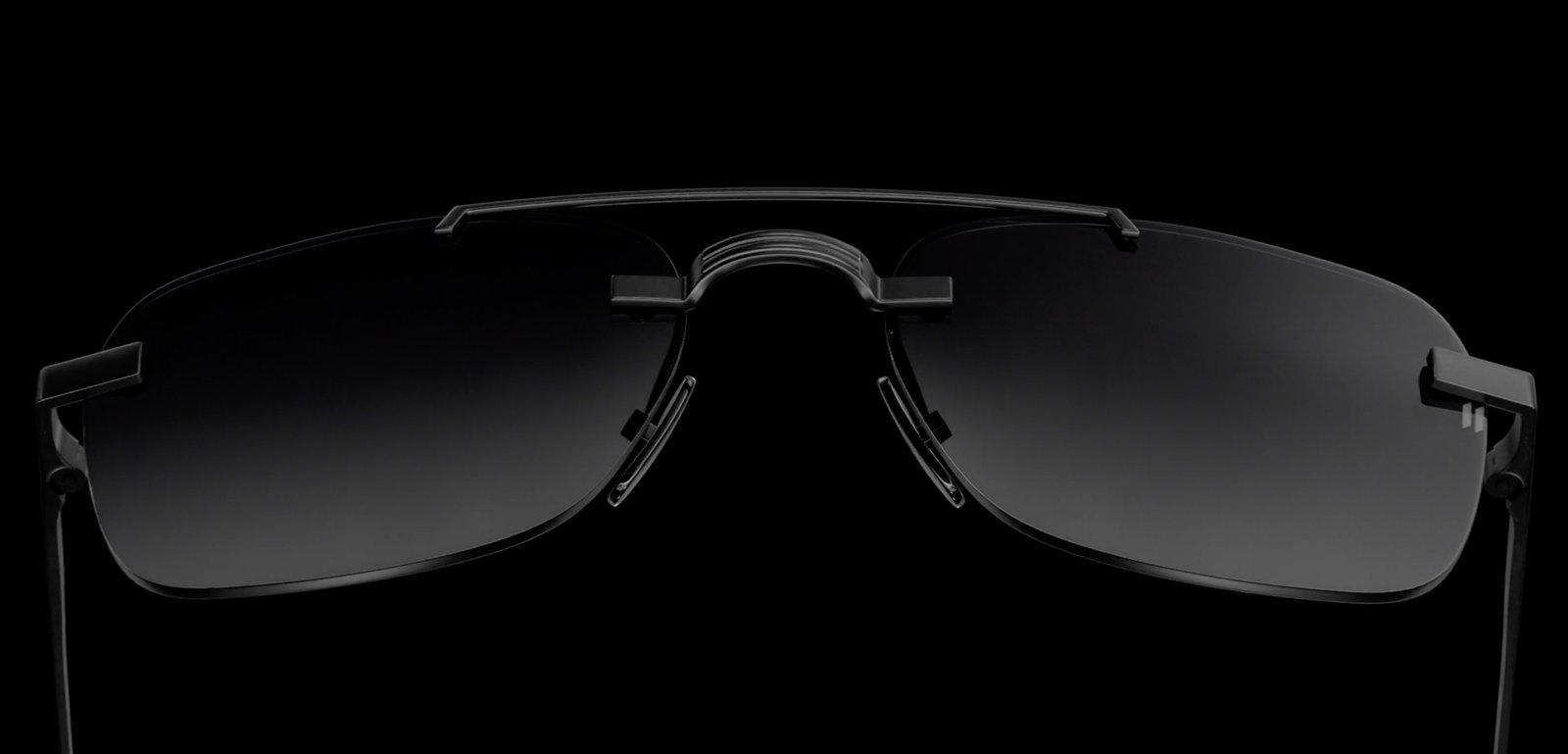
Total sunglasses weight comes from four components: frame material, frame design, lens material, and hinge and hardware construction. Of these, frame material has the largest influence.
Frame material
Material is the primary determinant because different materials achieve structural integrity through fundamentally different means.
Acetate — the most common material in fashion eyewear — achieves rigidity through bulk. A certain thickness is required to make acetate frames stable. That thickness adds mass. The result is frames that typically weigh 30–50g depending on design.
Stainless steel is stronger and can be made thinner than acetate, but its density produces frames that typically weigh 25–35% more than a titanium equivalent of the same design. It is durable in most conditions but susceptible to corrosion at hinge points under extended saltwater or perspiration exposure.
Beta-titanium achieves what heavier materials cannot. Its high strength-to-weight ratio allows very fine frame profiles — thin bridges, slender temples — without compromising structural stability. The result is frames that reach 18g while retaining the ability to flex under pressure and return to their original geometry without permanent deformation. This property, called shape memory, is a function of its body-centered cubic crystal structure.
Aluminium occupies a similar weight range to titanium but performs differently under stress. It can reach comparable weights but has lower yield strength — it bends permanently rather than flexing and recovering. For eyewear worn daily, that is a material limitation the weight figure alone does not reveal.
Frame design
Within a given material, design choices determine how much of that material is present. Wide frames with thick temples weigh more than slim profiles. Full-rim designs — where a continuous frame surrounds the lens — add material that semi-rimless equivalents do not. Minimalist frame architecture directly reduces mass regardless of what the chosen material weighs per unit volume.
Lens material and thickness
Lenses contribute meaningfully to total weight. Thinner lenses weigh less than standard-thickness equivalents in the same material. For prescription wearers, a higher refractive index lens is thinner for the same correction strength and therefore lighter. For non-prescription sunglasses, lens thickness is a specification set by the manufacturer.
Hardware
Temple tips, hinge screws, and nose pads are small components, but in aggregate they add to total weight. Metal hinges weigh more than plastic equivalents. In a frame already engineered for low mass, hardware choices become proportionally more noticeable.
Frame Materials Compared by Weight
| Material | Typical frame weight | Notes |
|---|---|---|
| Beta-Titanium | ~18g | High strength-to-weight ratio; shape memory |
| Pure Titanium | 20–25g | Strong, but less elastic than Beta-Titanium |
| Stainless Steel | 25–35g | Common in mid-range; 25–35% heavier than titanium |
| Acetate | 30–50g | Fashion-forward but relies on bulk for rigidity |
| Aluminium | 15–20g | Low weight, but lower yield strength than titanium |
For a full comparison across durability, corrosion resistance, and longevity, see the eyewear materials comparison guide.
Why Weight Matters More Than Most Buyers Expect
A 12g difference sounds trivial. Held in the hand, it is. Worn continuously for six to eight hours resting on the nasal bridge and temple contact points, it is not.
The nasal bridge is sensitive to sustained pressure. Frames that fit correctly but are heavier than necessary will leave marks after extended wear and create low-level pressure that, over a long day, accumulates into discomfort. The same dynamic applies at the temples, where a heavier frame requires more contact tension to hold its position.
Lighter frames require less tension at the temples. They distribute less sustained pressure at the nasal contact points. The practical outcome is that 18g frames can be worn for longer without the discomfort that becomes normalised with heavier alternatives.
This is most apparent to people who wear sunglasses for extended periods — driving, walking outdoors, travelling, active use — rather than brief occasional wear. The difference between 18g and 35g is largely imperceptible for twenty minutes and increasingly evident over several hours.
The 18g Benchmark
18g has become the practical reference point for ultralight performance in full-function sunglasses. Community discussions among extended-wear users consistently place anything under 20g as meaningfully lighter than standard, with 18g marking the threshold where frame weight ceases to register as a sustained sensation.
Achieving 18g without compromising function requires both material selection and design restraint. Beta-titanium's high strength-to-weight ratio makes fine frame profiles structurally viable. Minimalist bridge and temple design removes mass where it is not load-bearing. The combination produces a frame that weighs less than a standard pair of stainless steel sunglasses while remaining dimensionally stable through years of daily use.
It is worth distinguishing 18g achieved through material engineering from 18g achieved through design compromise. An acetate frame made thin enough to approach 18g would lack the structural rigidity required for reliable daily use. Beta-titanium at 18g carries none of those limitations — the weight reduction comes from the material's properties, not from reducing thickness below what is structurally viable.
The Beta-Titanium engineering guide covers the crystal structure and shape memory properties behind this in detail.
Frequently Asked Questions
The material science and the numbers converge on the same point: frame weight is an engineering choice, not a side effect of other decisions. When the material is right, 18g is achievable without trading away anything else.
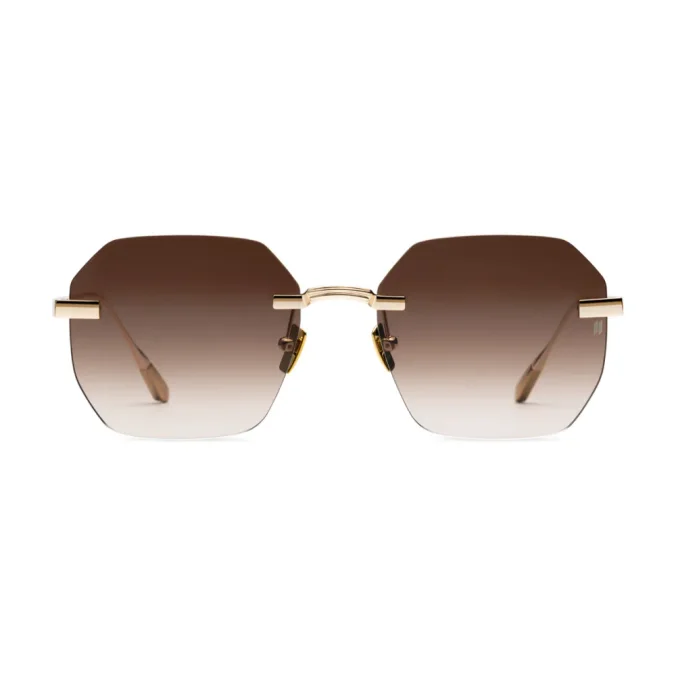
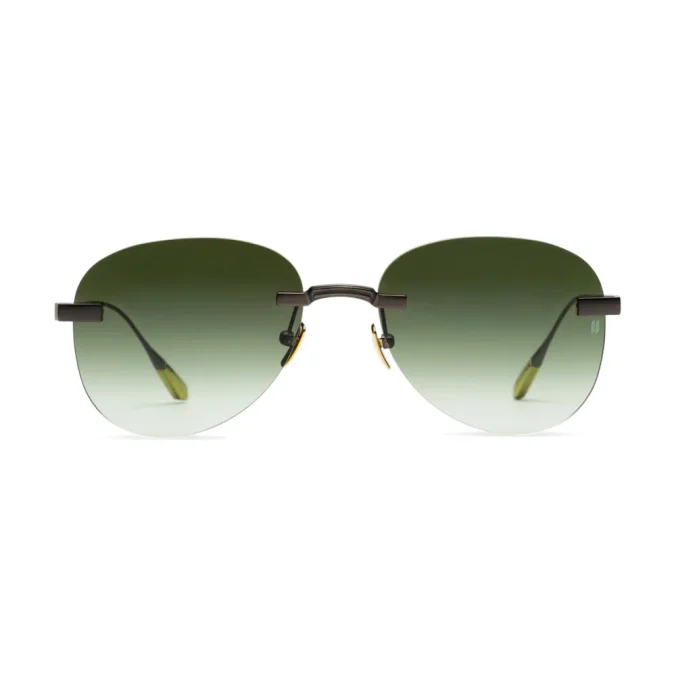
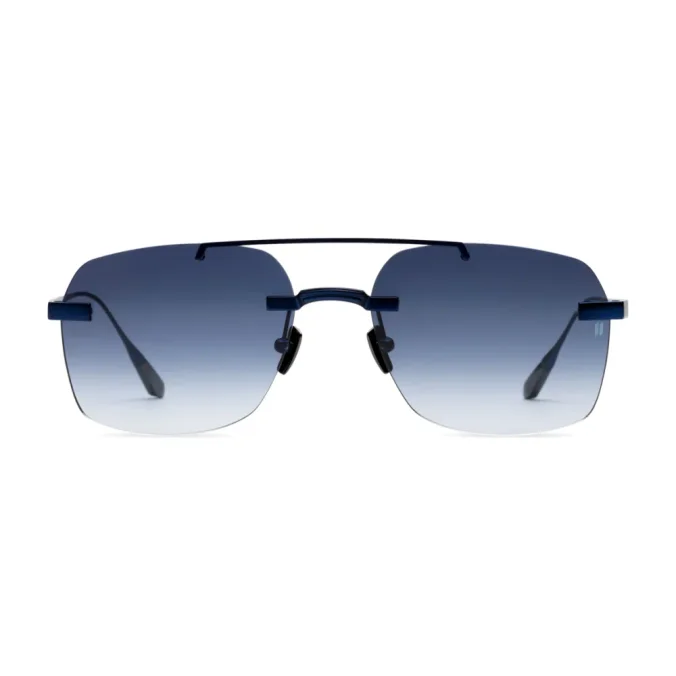
The Archē collection is where that specification is realised — Beta-Titanium frames at 18g, fitted with ZEISS lenses as standard, and built to be worn across a full day without compromise.
Explore the Archē Collection
Experience the engineering and optics behind our frames. Premium rimless titanium sunglasses with ZEISS lenses, crafted for absolute clarity.