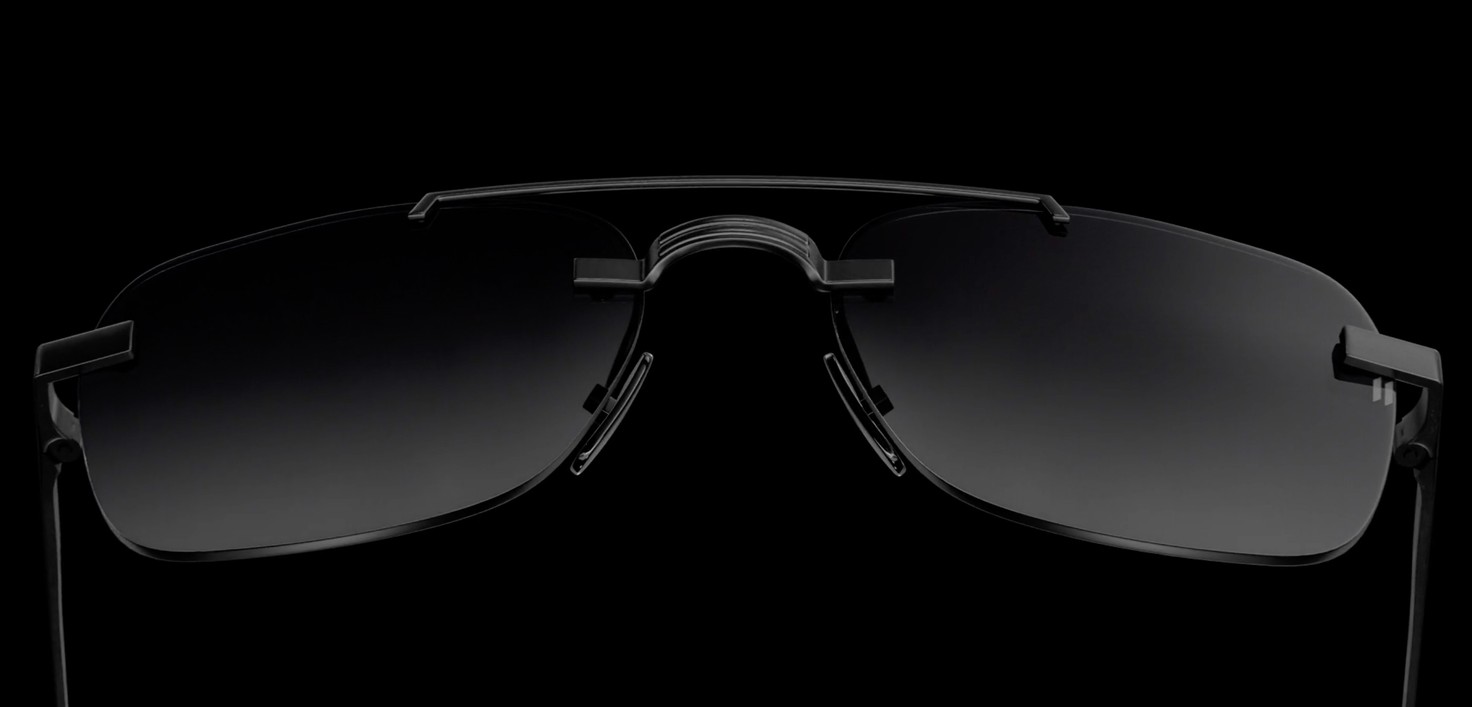
Architectural Balance: A Guide to Frame Geometry and Anatomy
Master frame geometry with our comprehensive guide to face shapes and eyewear anatomy. Learn how to choose sunglasses that balance your features using architectural principles.
By Eleven Spectacles · · · 8 min read
Selecting eyewear is an exercise in geometry. A frame does not merely sit upon the face; it interacts with its structure. It has the power to define a jawline, shorten a nasal profile, or bring symmetry to organic features.
At Eleven Spectacles, we view the face as a landscape of unique proportions. The goal of the perfect frame is not to hide these features, but to establish balance. The fundamental rule of optical aesthetics is simple: Contrast creates harmony. To sculpt the face, one must choose a shape that opposes the natural lines of the anatomy.
Here is how to apply architectural principles to find the frame that complements your structure.
Balanced proportions, high cheekbones, and a chin that is slightly narrower than the forehead. The oval face represents natural equilibrium in facial geometry.
Almost any geometry works here. However, Rectangular or Square frames add a pleasant structural contrast to the soft curves of the face. The key is scale: ensure the frame is as wide as the broadest part of the face to maintain the golden ratio of symmetry.
Why it works: The angular lines introduce architectural definition without fighting against naturally harmonious proportions.
Rectangular and Square frames are essential. Their sharp corners and horizontal lines "stretch" the face visually, making it appear longer and thinner.
The Material Advantage: Our thin Beta-Titanium frames are perfect here, as they add the necessary geometric lines without adding "heaviness" or bulk to the face. The precision of the material allows for sharp angles that define rather than overwhelm.
Why it works: The contrast between soft facial curves and rigid frame geometry creates the illusion of structure and length.
A strong, broad jawline that is roughly the same width as the forehead. The features are defined and angular, commanding attention with their strength.
Round or Oval frames. The curvature of the lens counteracts the sharp lines of the jaw.
The Aviator: This is the classic choice for angular faces. The "teardrop" shape of the Aviator draws the eye downward and softens the cheekbones, providing a sophisticated, relaxed counterpoint to a strong bone structure.
Why it works: Curved frames introduce organic flow that balances the face's natural angularity, creating visual harmony without diminishing the face's character.
Look for frames with a lighter top rim or distinct Aviator styles that carry weight at the bottom of the lens. Avoid heavy, decorative top bars that will only make the forehead appear wider.
Key considerations:
Bottom-heavy frames add visual weight to the lower face
Rimless or semi-rimless styles reduce top-face emphasis
It is exceptionally effective for individuals with oblong (long) faces, as the horizontal bar visually "shortens" the face by breaking up vertical lines.
It also works beautifully for those with a strong or longer nose bridge. By lowering the visual focus point, a double bridge can make the nose appear shorter and more balanced within the context of the face.
Why it works: The horizontal element creates a visual "stop" that interrupts vertical facial lines, redistributing proportional balance.
The frame should be approximately as wide as the broadest part of your face, typically at the cheekbones. This maintains facial symmetry and proportion.
Too narrow: Emphasizes face width, creates a pinched appearance
Too wide: Looks oversized and unbalanced, can make features appear smaller
Just right: Frames the face harmoniously, enhances natural proportions
The temples (arms) of the frame should align with the sides of your head without extending significantly beyond. Proper temple width ensures the frame sits naturally and doesn't create artificial width.
The bridge should sit comfortably on your nose without sliding or pinching. For those with lower nose bridges, adjustable nose pads (standard on our Beta-Titanium frames) ensure proper positioning and comfort.
The beauty of Eleven Spectacles lies in the thin, precise lines of our Beta-Titanium frames. Unlike chunky plastic frames that mask the face, our eyewear outlines it.
At just 18 grams, Beta-Titanium frames provide necessary architectural definition without physical burden. You can wear geometrically bold frames without the weight that causes end-of-day fatigue. For more on why that weight figure matters, see our guide on what frame weight actually means.
For a frame that sits in constant contact with your face, Beta-Titanium's 100% biocompatibility ensures no irritation, redness, or allergic reactions regardless of how long you wear them.
Ultimately, these are guidelines, not laws. The rules of contrast and balance provide a starting point, but personal style and comfort are equally important.
Confidence over convention: If you love how a round frame looks on your round face, wear it with confidence. Personal style often transcends traditional guidelines.
Feature emphasis: Sometimes you may want to emphasize rather than balance a feature. A square frame on a square face can project strength and authority.
Occasion matters: Professional settings might call for different frames than casual weekend wear. Your eyewear collection can serve multiple purposes.
Whether you choose the military precision of a Double Bridge Aviator or the intellectual minimalism of a Round frame, the lightness of the material ensures that the glasses never overpower the individual.
The frame is the architecture; you are the inhabitant.
Selecting the right frame geometry is about understanding the interplay between your unique facial landscape and the architectural elements of eyewear design. By applying the principle of contrast, opposing shapes create harmony, and you can choose frames that establish balance and enhance your natural features.
At Eleven Spectacles, we craft our Beta-Titanium frames with precise geometric lines that outline rather than mask. Whether your face is oval, round, square, or heart-shaped, there's a frame geometry that will establish perfect architectural balance.
Ready to find your perfect architectural match? Explore the Archē rimless titanium sunglasses and discover frames that complement your unique facial geometry with precision engineering and timeless design. For guidance on caring for your frames once you've found them, see our product care guide.
Frame geometry interacts with facial structure through contrast: opposing shapes create balance. Round faces need angular frames for definition; square faces need curved frames for softening. The frame width should generally match the face width at the cheekbones for optimal proportion.
Round faces benefit from angular frames: rectangular and square shapes introduce definition and visual length. Sharp corners and horizontal lines stretch the face appearance. Beta-Titanium frames are ideal as they add geometric structure without bulk.
Yes. Square faces with strong jawlines benefit from round or oval frames that soften angular features. The curvature counteracts sharp jawlines. Aviator styles work particularly well: the teardrop shape draws the eye downward and softens cheekbones.
Heart-shaped faces (broad forehead, narrow chin) need base-heavy balance. Choose frames with lighter top rims or distinct aviator styles that carry weight at the bottom. Avoid heavy decorative top bars that emphasize forehead width.
A double bridge is a frame feature with a top bar across the brow that draws attention upward and creates a horizontal line. It's exceptionally effective for oblong (long) faces as it visually shortens the face, and for those with longer nose profiles as it lowers the visual focus.
Share Article:
Explore the Archē Collection
Experience the engineering and optics behind our frames. Premium rimless titanium sunglasses with ZEISS lenses, crafted for absolute clarity.
Beta-Titanium Eyewear: The Architecture of Weightlessness
What beta-titanium is, why its crystal structure makes it springier than pure titanium, and what that means for a frame you wear every day – checked against optician training articles and materials research.
Read more
Guides & Articles
Mastering the Light: A Guide to Lens Categories & Tints
Discover lens categories, VLT transmission, and tint colors. Learn how to choose the perfect lens tint for your environment and lifestyle.
Read more
Guides & Articles
Lightweight Sunglasses: What Frame Weight Actually Means
How much sunglasses weigh, what sets the number, and why the size of the nose pads matters as much as the grams – with the figures optician sources actually give.